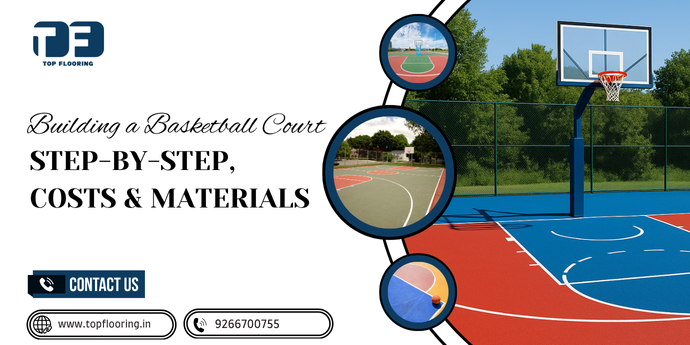
Building a basketball court requires careful planning, top materials, and talented craftsmanship. Whether for professional games, school gyms, or leisure facilities, the ideal structure of the proper basketball court promises to ensure sustainability, functionality, and protection. From deciding the optimal basketball court flooring system options to becoming conversant in basketball court size requirements, this publication covers in depth the fundamental process, investment costs, and substances needed for developing a basketball court. Top Flooring specializes in high-quality acrylic basketball court construction that provides top performance and durability.
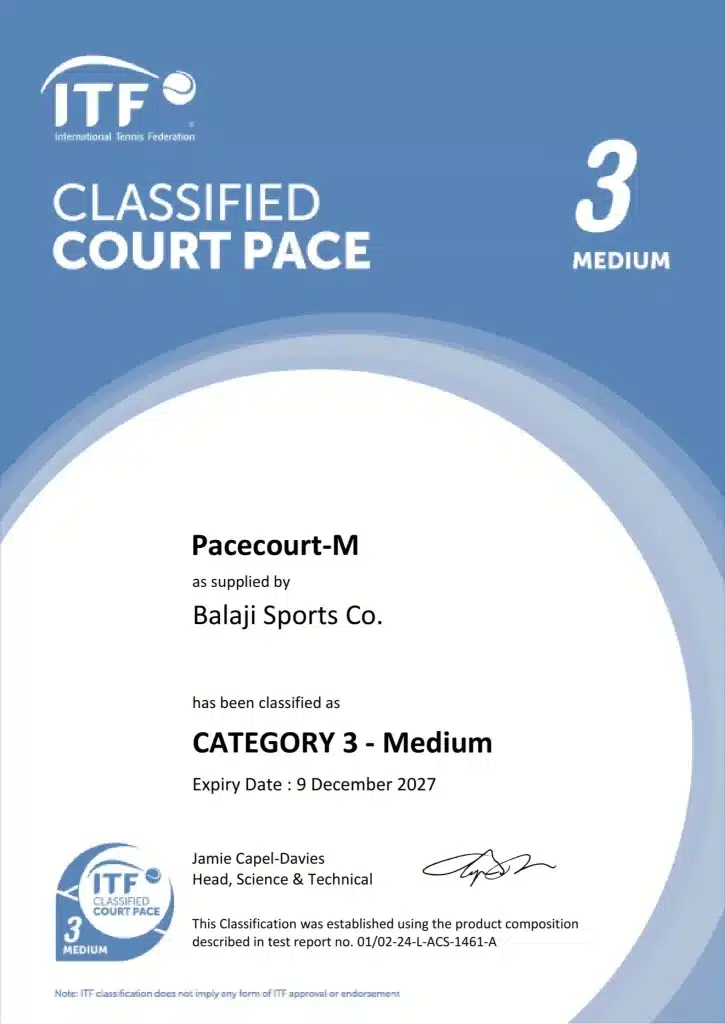
One of the most reputable brands in India for synthetic acrylic sports flooring is Top Flooring. With 14 years of expertise, we have completed more than 2000 projects and covered more than 800,000 square feet of built-up area. With nine standard court colors and color customization possibilities, Top Flooring offers excellent performance surfaces that are robust and long-lasting. Top Flooring specializes in the layer system; whether you select 5, 6, 7, 8, or 9, our experts design all levels most effectively. We are an Indian manufacturer of ITF and ISO-certified material. Every single court is an example of state-of-the-art material technology and precision engineering. Maintaining a solid grip will let you withstand the intense Indian sun without failing.
Step-by-Step Guide to Basketball Court Construction
1. Site Selection and Preparation
Before basketball court construction, the site must selected properly. The site needs to leveled, drained, and cleared of any obstructions. Site preparation includes clearing vegetation, grading, and compacting the ground to provide a great basketball surface for the court.
2. Sizing the Basketball Court
The dimensions of a basketball court depend on the level. According to FIBA, the overall basketball court dimensions are 28m x 15m (91.86ft x 49.21ft) but can be reduced for school or backyard courts based on personal requirements.
3. Construction of the Base and Foundation
A good basketball court base must established for long-term performance. The foundation is made up of crushed stone, compacted gravel, or asphalt to provide an even and solid surface.
4. Choosing the Right Material
Playability, durability, and safety depend on the basketball court flooring material. The most popular one is basketball court synthetic flooring in the form of acrylic coating to give better traction, weather resistance, and a longer lifespan.
Acrylic Basketball Court Flooring Key Benefits:
- Weather Resistance: Ideal for outdoor courts and sun, rain, and heat-resistant.
- Shock Absorption: Minimizes shock to players’ joints and prevents injuries.
- Customizability: It may be produced in several colors and textures to give other looks and uses.
- Low Maintenance: It is low on maintenance in comparison to other floors.
- Fast Drying: Acrylic paints dry quickly during rain showers, and the court is available for play.
5. Using Outdoor Paint Designs
To give the court an appropriate look and play, outdoor basketball court installation & designs of high quality required. Acrylic-based paints have good slip resistance, bright color pigments, and good adhesion.
Most Popular Basketball Floor Designs:
- Classic Hardwood Look: Imitates a professional indoor court.
- Color-Matched Themes: Logo colors of the team or facility.
- Two-Tone Configurations: Increases court visibility and players’ movement.
6. Painting the Court Lines
Professional and amateur use requires appropriate basketball court markings. By basketball court size standards, free throw lanes, three-point arches, and center circles are measured and marked for identification.
7. Hoop Installation and Accessories
Full basketball court installation involves the setup of hoops, backboards, and netting. Permanent setups use in-ground systems, while portable hoops are great for easy movement and flexibility.
8. Final Coating and Finishing Touches
A topcoat provides surface strength and protection, together with greater ball bounce. An anti-slip coat, when applied, provides safety to players.

Basketball Court Layout and Key Areas
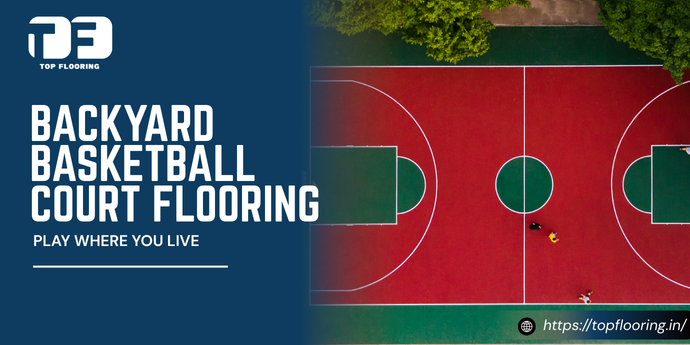
- Outdoor sports Play Area: Rectangular, maintains a basketball playing surface on which the game takes place.
- Three-Point Line: A Curve where three points registered.
- Free-Throw Line: Line of 4.6m (15ft) from the backboard for the free throw.
- Paint Area (Key): The players take shots near the basket from the rectangular area in front of it.
- Half-Court Line: Splits the court evenly into two segments.
- Sidelines and Baselines: Lines demarcating the playing surface.
Line Marking Process
- Surface Preparation: To present a clean, dry, and level court.
- Measurement & Layout: With the help of accurate measurements from the FIBA basketball court measurements.
- Painting: With the help of high-quality acrylic paints for durability and legibility.
- Drying time: Allowing the paint to dry for a long-term effect.
Materials That Make a Perfect Basketball Court


Concrete Primer
Top Flooring Concrete Primer is a bonding material applied to concrete or asphalt surfaces before laying acrylic sports flooring systems.
Mixing Ratio
- PRIMER – 20 KG
- WATER – 5 TO 7 LITRES
Why is Concrete Primer Used?
Concrete Primer seal and prepare the concrete base before applying acrylic resurfacer or other coating layers. It improves adhesion between the concrete and upper layers and prevents moisture.
Acrylic Resurfacer
Acrylic Resurfacer is a 100% acrylic latex binder, It is mixed with silica sand, and is used over asphalt or concrete to create a smooth, consistent base layer for sports courts.
Mixing Ratio
- RESURFACER – 25 KG
- WATER – 30 LITRES
- SILICA SAND – 26 KG
- CEMENT – 10 KG
Where Acrylic Resurfacer is Used?
Acrylic Resurfacer is used to fill small cracks, rough patches, and surface imperfections on asphalt or concrete. It ensures the surface is level and ready for further coating by filling minor imperfections.


Cushion Coat
Cushion Coat is made from an acrylic binder and rubber particles. It is mixed with water before application. And make the court more comfortable to play on by reducing the impact when players run or jump.
Mixing Ratio
- Cushion – 50 KG
- Water – 25–30 Litre
Why is Cushion Coat Used?
Cushion Coat offers shock absorption and comfort. This layer reduces stress on athletes’ joints and muscles, and making it ideal for high-performance sports court flooring.
Color Coat
Color Coat an acrylic emulsion consisting of strong pigments and polymers that are blended into a highly concentrated form, mixed with water and silica to give sports courts color, grip, and the right play speed.
Mixing Ratio
- Colour – 25 KG
- Water – 16 Litre
- Silica Sand – 10 KG
Where Can it Used?
Color coat give the final appearance of the sports flooring like – color, texture, and speed of play. This is wear-resistant, pigmented layer ensures visual appeal and performance of the court.


Line Marking Paint
Line Marking is a tough, long-lasting paint used to create clear, professional lines and markings on sports flooring. It is resistant to wear, stains, and weather, ensuring long-term visibility and performance.
Why Line Marking Paint Used?
Line Marking Paint add clear, professional boundary lines and court markings. It ensures precision game play and maintaining visibility over time even with heavy use.
Silica Sand
Silica sand is a key ingredient in synthetic sports flooring. When blended with color coats or acrylic resurfacers, it adds essential texture, enhances grip, and improves the durability of the court.
Why Silica Sand is Used?
Silica Sand improves surface traction, affects ball bounce and speed, and reinforces strength. It making the court more durable and giving it a smooth, balanced and long-lasting finish.

Cost of Basketball Court Construction

Design your court today
Choose your preferred colors and see how your dream Basketball court will look before construction begins.
The average cost of basketball court construction depends on several factors, including size, materials, and labor. Here is an estimated breakdown:
| Component | Estimated Cost (INR) |
| Base Layer (Concrete/Asphalt) | ₹2,50,000 – ₹4,50,000 |
| Synthetic Flooring | ₹4,00,000 – ₹7,00,000 |
| Basketball Hoops & Accessories | ₹60,000 – ₹120,000 |
| Total Estimated Cost | ₹8,30,000 – ₹15,70,000 |
Note: Cost depends on location, quality of content, and additional features.
Selecting the Best Outdoor Basketball Court Material
The selection of the best material for an outdoor basketball court flooring is important for durability, safety, and quality of play. Top Flooring provides top-quality acrylic basketball court surfaces that deliver superior weather resistance, improved traction, and enduring performance. Acrylic surfaces are different from other materials as they reduce maintenance requirements while providing a professional-quality playing experience, which makes them the best option for competitive and recreational courts.
Important Factors for Installation
- Weather and Climate Conditions: Select heat-resistant, rain-resistant, and humidity-resistant materials.
- Frequency of Use: Choose floors that can sustain high usage.
- Maintenance Needs: Choose surfaces with low maintenance needs.
- Safety and Comfort: Consider surfaces with great shock absorption.
- Budget: Weigh quality and affordability.
Conclusion
A basketball court construction involves precise planning, from basketball court flooring to the choice of the finest outdoor basketball court floors. Investing in premium-quality basketball court flooring material, professional basketball floor plans, and skilled installation means a long-lasting, high-performance court. Choose Top Flooring as a sports court contractor with expertise in synthetic basketball courts for the best outcome. For professional, school, or recreational games, a well-constructed court improves the game and provides a superior playing experience.
Relevant Link – Fiba
Frequently Asked Questions
Acrylic flooring is the best for outdoor basketball courts because of its weather resistance, great traction, durability, and low maintenance.
Yes, you can build a backyard basketball court with custom dimensions. Space, surface preparation, acrylic flooring installation, and hoop placement for optimal play.
According to FIBA basketball court dimensions, a full court is 28m x 15m (91.86ft x 49.21ft). But backyard basketball courts and school courts can have custom dimensions based on space.
Acrylic-based paint is the best for basketball court paint designs because of its durability, weather resistance, and anti-slip properties.
In some areas, you may need permits or approvals from local authorities, especially for larger permanent installations. Always check zoning laws before you start building.